Your name*
Last name
Company / Organization
Your e-mail*
Your phone*
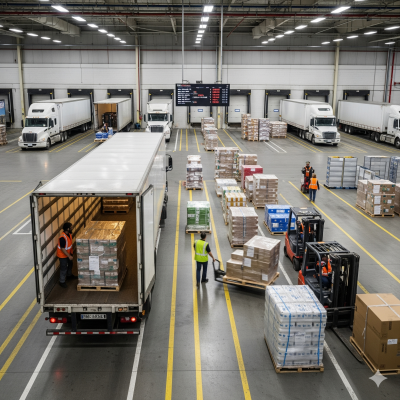
Cross-docking is a method that streamlines the storage and transfer of goods, significantly reducing storage time and enhancing delivery efficiency. This approach minimizes the time goods spend in warehouses, assisting businesses in maintaining lower logistics costs.
Traditional warehousing often requires prolonged storage, whereas cross-docking promotes immediate transfer. Resources are more effectively utilized as goods are moved directly from one vehicle to another, decreasing the need for lengthy preparations. The result is significant savings in time and energy, along with increased operational flexibility.
For businesses to effectively implement cross-docking, several critical principles should be adhered to:
